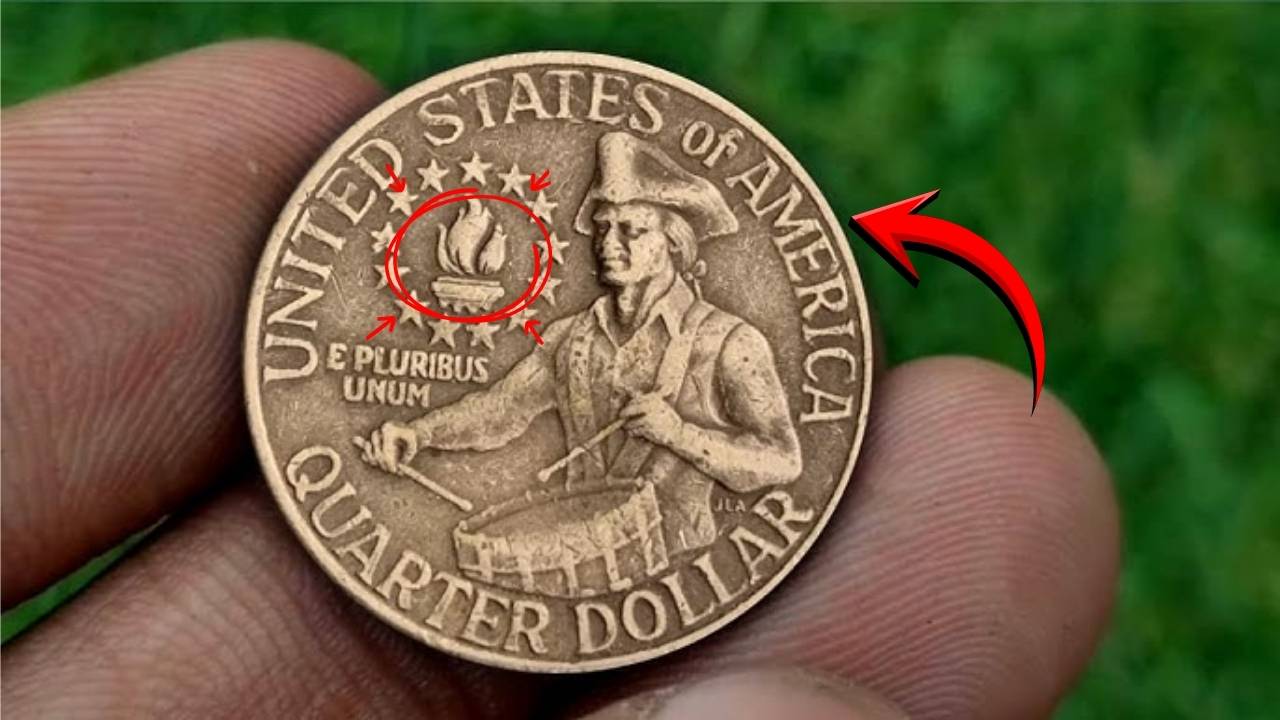
Bicentennial Quarters Value Guide 2026: Bicentennial quarters, issued in 1975 and 1976 to celebrate the 200th anniversary of American independence, remain some of the most popular and recognizable modern U.S. coins. Featuring the iconic dual date “1776-1976” and the striking design of a colonial drummer on the reverse, these quarters are both a piece of history and a potential collector’s item. While most circulate at face value, certain versions and conditions can command impressive prices. This guide explores the history of the Bicentennial quarters, factors affecting their value, and how collectors in 2026 can determine what their coins are worth.
The history of Bicentennial quarters
The Bicentennial quarter was introduced as part of a special coin program that included the half dollar and the dollar coin. Rather than the usual single-year date, all Bicentennial quarters feature the dual date “1776-1976,” celebrating the nation’s independence. The reverse design, created by Jack L. Ahr, depicts a revolutionary war drummer boy, symbolizing the call to freedom, while the obverse retains George Washington’s profile.
Millions of these coins were minted in Philadelphia, Denver, and, in a limited number, as special proof sets in San Francisco. They were issued for general circulation as well as collector editions in uncirculated and proof formats, making them accessible to the general public while offering rare variants for collectors.
Factors that affect Bicentennial quarter values
The value of a Bicentennial quarter depends on several key factors. First, the coin’s condition, or grade, is essential. Circulated coins with noticeable wear typically remain at face value, while uncirculated coins with sharp details and original luster can be worth several dollars.
Second, mint marks influence value. Coins minted in Philadelphia carry no mint mark, while Denver coins have a “D” and San Francisco proofs bear an “S.” Proof and uncirculated coins from San Francisco are often the most valuable due to their limited mintage and superior quality.
Third, rarity or unique variations can increase a coin’s worth. Some Bicentennial quarters contain minting errors, such as doubled dies, off-center strikes, or die cracks, which attract higher prices among collectors.
Standard circulation coins
Most Bicentennial quarters were released into circulation and are very common. These circulated coins, even in excellent condition, generally hold a value close to their face value of 25 cents. However, collectors often pay a small premium for coins in near-mint condition, especially those with original luster.
Uncirculated and proof coins
Uncirculated Bicentennial quarters, often obtained from mint sets, can range in value from a few dollars to around $15, depending on condition and whether they are from the Philadelphia or Denver mints. Proof coins from San Francisco, which are struck with special care and appear in high-gloss finishes, generally command higher prices, sometimes reaching $20 to $50 or more for pristine examples.
Collectors should pay attention to the coin’s surface, edges, and overall appearance when assessing uncirculated or proof coins. Any imperfections, scratches, or tarnish can reduce value significantly.
Error coins and rare varieties
Errors and unusual varieties are where the most valuable Bicentennial quarters emerge. Common mistakes include doubled dies, off-center strikes, or missing elements of the design. Coins exhibiting these errors are highly sought after because they are rare and difficult to find in good condition.
Other rare varieties include unusual die alignments or experimental strikes produced in extremely limited quantities. While most of these coins remain in private collections, they occasionally appear in auctions, sometimes reaching hundreds or even thousands of dollars depending on the rarity and demand.
Grading and certification
Professional grading is an important consideration for collectors who want to establish the value of their Bicentennial quarters accurately. Certified coins receive a grade from a trusted grading service, which provides a reliable assessment of their condition. Coins graded as MS-65 or higher in uncirculated condition can command a significant premium compared to ungraded coins.
Certification also helps buyers and sellers verify authenticity, which is especially important for error coins or rare proof examples. Proper documentation ensures that the coin can be confidently traded or added to a collection.
How to determine your coin’s value in 2026
To determine the current value of a Bicentennial quarter, collectors should first identify the mint mark and assess the condition of the coin. Reference guides and price lists provide an overview of typical market values, while online auctions and coin marketplaces offer insight into current trends.
For coins suspected of being rare or containing errors, professional appraisal or grading is recommended. An expert can confirm whether a coin has unique characteristics that increase its value and provide an official grade for sale or insurance purposes.
Tips for collecting and preserving Bicentennial quarters
Collectors should store their coins in protective holders or albums to prevent damage and maintain condition. Handling coins by the edges and avoiding cleaning with abrasive materials are essential steps to preserve their value.
Building a collection with a mix of circulated, uncirculated, proof, and error coins can provide both aesthetic enjoyment and potential long-term value. Patience and careful research are key to identifying worthwhile additions to a collection.
Conclusion
Bicentennial quarters are more than just currency; they are a celebration of American history and a popular collectible. While most coins remain close to face value, uncirculated, proof, and error varieties can be worth significantly more, especially when carefully graded and preserved. In 2026, understanding mint marks, condition, and market trends is essential for anyone hoping to discover the true value of their coins. With attention to detail and a bit of research, collectors can uncover treasures that combine historical significance with tangible monetary worth.